




Contact our team of experts.

Project Engineering for Machine Safety in Mechanical Engineering
Technical planning for machine safety forms a key foundation for safe, high-performance and legally compliant machines and systems. Particularly in the case of modifications, modernisations or extensions, the quality of the planning phase determines how efficiently and reliably subsequent conversion work can be carried out.
During machine design and engineering, safety requirements are considered from the very beginning. Machine safety project engineering minimises risks, allows safety functions to be planned in a structured manner and ensures that subsequent implementation is carried out efficiently. The process takes into account both mechanical components – such as machine frames, protective systems and devices – and electrical and software-based machine control systems.


What Does Technical Design for Machine Safety Mean?
Technical design for machine safety describes the planning and conceptual design of safety-related systems within machines and plants. The focus is on safety-related design, in which protective measures, safety structures and safety-related functions are defined at an early stage of development.
This process of machine safety project engineering differs clearly from other steps in the safety process. While testing, validation and documentation usually only take place in later project phases, technical planning concentrates on planning and design. The aim is to develop a sound concept for machine safety that takes into account both technical requirements and legal provisions.
As part of the machine safety project engineering key aspects such as safety structures, control concepts and protective measures are defined. These form the basis for CE-compliant safety planning and for the subsequent integration of safety-related components into the machine.
Development of Safety Concepts and Safety Architectures
A key component of technical project planning is the development of a structured safety concept for machinery and plant. The aim is to draw up a comprehensive safety concept for a machine and to define the appropriate safety architecture for that machine.
As part of this planning process, key aspects such as safety structures, control concepts and protective measures are defined. This is often based on a preliminary risk assessment that identifies and evaluates potential hazards. The results form the basis for CE-compliant safety planning in accordance with the Machinery Directive, relevant regulations and the current set of standards.
Key tasks include:
- Definition of safety-related functions
- Structuring of safety circuits
- Planning the safety architecture of a machine
- Setting performance levels or SIL targets
This approach is a central component of safety engineering in mechanical engineering. The aim is to develop a safety concept that takes into account both technical requirements and economic considerations.
In doing so, performance levels or SIL targets are set without carrying out a detailed calculation at this stage. The specific assessment takes place in later project phases, such as during validation or safety-related testing.
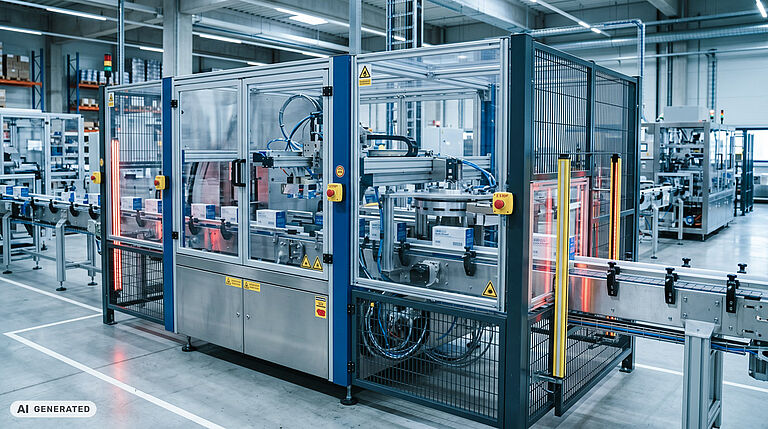
Machine Safety Project Engineering: Design of Safety-Related Control Systems
In addition to developing a safety concept, the design of safety-related control systems plays a central role in technical project planning.
This involves selecting suitable safety components and integrating the safety functions within the existing control architecture. In this context, engineers must design the safety control system so that it meets both functional requirements and regulatory standards.
Key aspects here include:
- Integration of safety-related functions into existing control systems
- Selection of suitable safety components
- Structuring of safety-relevant control systems
- Planning of a PL-compliant safety design
- Preparing a SIL-based design for safety functions
Another key focus is on the integration of safety technology into machinery, so that safety components can work seamlessly with existing control systems and machine controllers. Structured integration is crucial for safe and reliable operation, particularly in modernisation projects, retrofit projects or the development of new specialised machinery.
Design in Accordance with ISO 13849 and IEC 62061
Professional technical design must always take into account the relevant standards and legal requirements. In the field of functional machine safety, the ISO 13849-1 and IEC 62061 standards play a particularly central role.
These standards define requirements for the design of safety-related control systems and for the assessment of the reliability of safety functions. During the design phase, the requirements of these standards are taken into account at an early stage in order to develop a safety architecture that complies with the standards.
By incorporating these standards into the planning process, subsequent adjustments can be avoided and compliance with regulatory requirements ensured. At the same time, standards-compliant planning supports the implementation of a safe and efficient machine structure, such as those used in industrial contract manufacturing facilities.
Integrating Machine Safety Into Your Design Processes
Successful technical project planning does not merely take individual safety components into account, but integrates machine safety into the entire development process of a machine.
At tec.nicum, specialists in design, electrical engineering, and automation technology work closely together across disciplines to ensure an integrated approach. This interdisciplinary collaboration makes it possible to incorporate safety requirements into development and design processes at an early stage.
Key aspects of this integration include:
- Collaboration with design and electrical engineering
- Coordination with mechanical design and control technology
- Interfaces with CAD systems or EPLAN
- Early incorporation of safety requirements into development phases
In addition, safety-relevant areas such as a machine’s control area or the integration of components such as load-handling devices are also included in the planning. This close coordination enables safety functions to be efficiently integrated into machine structures and reduces the need for subsequent adjustments.
The Benefits of Working with tec.nicum Engineering
With tec.nicum engineering, companies benefit from an experienced partner for the technical design of machine safety. Our experts combine in-depth engineering expertise with extensive experience in the field of functional safety.
Key benefits include:
- manufacturer-neutral consultancy and planning
- cross-system engineering expertise
- a holistic approach to machinery and plant
- the interface between design, electrical engineering and the CE process
Our specialists support companies in developing safe machine concepts and implementing technical solutions that meet both current regulatory requirements and the operational demands of modern production facilities. In doing so, we also take into account project-specific requirements such as technical performance specifications, documentation and customer-specific machine concepts.
We Handle the Technical Design for Your Machine Safety
Technical design in the field of machine safety lays the foundation for the successful implementation of safety measures. Our specialists support companies in developing safe machine designs and implementing technical solutions that meet both current regulatory requirements and the operational needs of modern production facilities. Please contact us if you need support with the technical planning of your machine safety – we’d be happy to advise you on your project.
FAQ on Technical Planning for Machine Safety
Technical project planning involves the planning and design of safety-related functions within machines and plant. This includes, amongst other things, the development of a safety concept, the definition of safety functions, and the planning of the safety architecture and safety-related control systems.
Ideally, safety-related project planning should take place during the early development phases of a machine or plant. This ensures that safety-related requirements are taken into account from the outset and reduces the need for subsequent adjustments as the project progresses.
The most important standards in the field of functional machine safety include ISO 13849-1 and IEC 62061. These standards define requirements for safety-related control systems and for the assessment of the reliability of safety functions.
The safety concept describes the fundamental measures for ensuring machine safety. The safety architecture of a machine, on the other hand, defines the specific technical structure through which these safety measures are implemented.
Safety engineering is always required when machines incorporate safety-related functions or when safety-related risks must be taken into account. This applies in particular to complex machines, automated production lines or specialised machinery used in industrial applications.

Sparked your interest? Let’s talk.





© 2026 tec.nicum